Is Your Car Battery Ready After Summer? What Bellingham Drivers Should Know
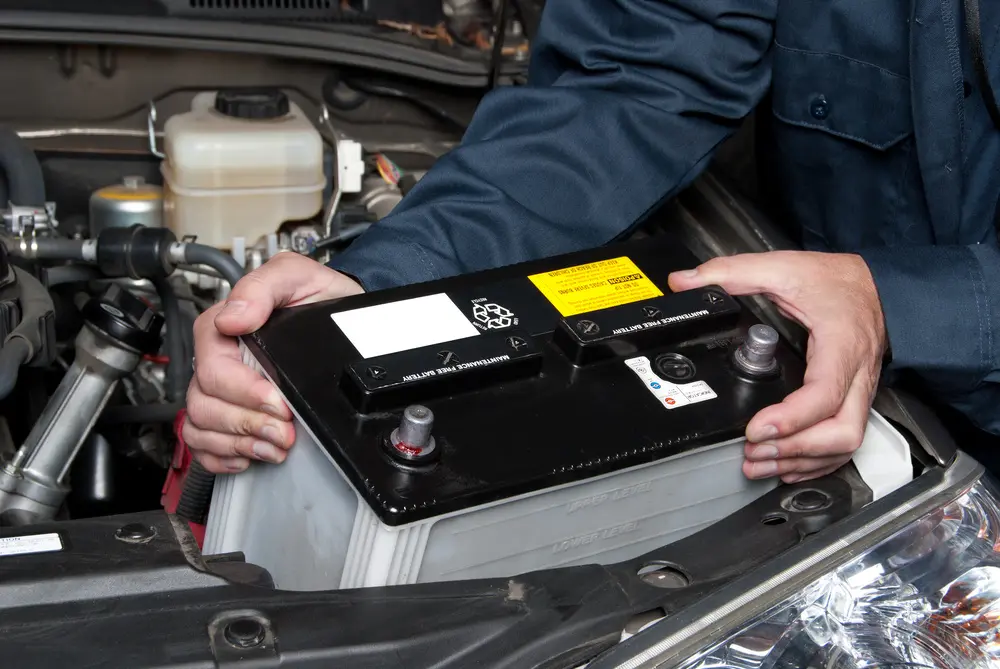
Summer may be winding down, but the warmer months can leave behind wear that does not always show up right away.
One component worth checking as fall approaches is your car battery. Even if your vehicle started normally throughout summer, heat can contribute to internal battery deterioration. As temperatures begin to drop around Bellingham and Whatcom County, a battery that seemed fine during summer may start showing signs of weakness.
That makes early fall a good time to check your battery before a small problem turns into an unexpected no-start situation.
Why Summer Heat Can Be Hard on Your Battery
Many drivers associate battery problems with cold weather, but summer heat can also contribute to battery wear.
Higher under-hood temperatures can accelerate the chemical reactions inside a battery and contribute to deterioration over time. Depending on the battery design, heat may also increase fluid loss.
The tricky part is that your vehicle may continue starting normally while the battery gradually loses capacity.
Once temperatures begin dropping, that weakness can become easier to notice.
Signs Your Car Battery May Be Getting Weak
A battery often gives you warning signs before it completely fails.
Watch for:
-
Slow or hesitant engine cranking
-
Clicking when you try to start the vehicle
-
Dim headlights or interior lights
-
Electrical accessories behaving inconsistently
-
Needing a jump-start
-
Corrosion around the battery terminals
-
Battery or charging-system warning lights
-
A battery that is several years old
If you begin noticing electrical symptoms along with starting problems, professional computer diagnostic services can help determine whether the battery or another system is responsible.
It May Not Be the Battery
A vehicle that will not start does not automatically have a bad battery.
Your battery works together with the alternator, starter, cables, terminals, wiring, and other electrical components.
A poor connection or charging-system problem can cause symptoms that look very similar to a failing battery.
If the charging system is not properly replenishing the battery while you drive, even a relatively healthy battery can eventually become discharged.
That is why proper diagnosis is important before replacing parts.
Japanese Vehicles Still Depend on a Healthy 12-Volt Battery
Modern Japanese vehicles can include numerous electronic systems, control modules, sensors, safety features, and convenience accessories.
Toyota, Honda, Subaru, Nissan, Mazda, Lexus, Acura, Infiniti, and other vehicles all depend on consistent electrical power for reliable operation.
A weakening battery can sometimes show up as unusual electrical behaviour before it reaches the point where the vehicle will not start.
Rod’s Japanese Auto Care services a wide range of Japanese makes, including Honda, Toyota, Subaru, Nissan, Mazda, Lexus, Acura, Infiniti, Mitsubishi, Suzuki, and others.
What About Hybrid and Electric Vehicles?
Hybrid and electric vehicles also typically use a separate low-voltage battery to operate electronics and help power up vehicle systems.
That battery is different from the high-voltage traction battery used to move the vehicle.
If a hybrid or EV is having trouble powering on, proper diagnosis is important because the issue may involve the low-voltage battery, charging system, or another electrical component.
Rod’s Japanese Auto Care also provides information and service resources for hybrid and electric vehicles.
Fall Is a Good Time for a Battery Check
Fall is a natural time to evaluate your battery as part of regular vehicle maintenance.
Consider having it checked if:
-
Your vehicle has started cranking more slowly
-
The battery is several years old
-
You recently needed a jump-start
-
Your vehicle sits unused for extended periods
-
You have noticed changes in lights or electronics
-
You cannot remember when the battery was last replaced
-
You are preparing your vehicle for fall and winter driving
Battery and electrical checks can be incorporated into regular preventative maintenance.
What Happens During a Battery Check?
A battery inspection may include evaluating its physical condition, terminals, connections, voltage, and available starting power.
The charging system may also need to be checked to make sure the battery is being properly replenished while the engine is running.
Battery age is only one part of the picture. Driving habits, climate, electrical demand, vehicle usage, and charging-system condition can all affect battery life.
Do Not Wait Until Your Vehicle Will Not Start
Battery problems are much easier to handle during a planned service visit than when your vehicle suddenly refuses to start.
If your car has been starting more slowly, your battery is getting older, or you simply want to know how well it handled another summer, now is a good time to have it checked.
Visit Rod’s Japanese Auto Care in Bellingham, WA for vehicle maintenance, diagnostics, and repair.
You can also learn more about routine vehicle maintenance to help keep your car reliable throughout the year.
Frequently Asked Questions About Car Batteries
Can summer heat damage a car battery?
Yes. Higher temperatures can accelerate chemical activity inside a battery and contribute to internal deterioration, even when the vehicle continues starting normally.
Why do batteries sometimes fail when temperatures get colder?
Cooler temperatures can reduce available battery power. If a battery was already weakened, colder conditions may make that loss of capacity more noticeable.
What are the signs of a weak battery?
Common symptoms include slow cranking, clicking during startup, dim lights, electrical issues, repeated jump-starts, and corrosion around the battery terminals.
How long does a car battery usually last?
Battery life varies depending on the vehicle, battery type, climate, driving habits, electrical demand, and charging-system condition. Testing provides a better indication of current battery health than age alone.
Does a dead battery always mean I need a new battery?
No. A discharged battery can also result from a charging-system problem, poor electrical connection, electrical draw, or another fault.
Can short trips affect my battery?
Yes. Frequent short trips may not always give the charging system enough time to fully replenish the energy used during startup.
Do hybrid vehicles have regular 12-volt batteries?
Many hybrids and EVs use a low-voltage battery in addition to their high-voltage traction battery. The exact system varies by vehicle.
When should I have my battery tested?
Consider having it tested if your vehicle is starting slowly, the battery is several years old, you recently needed a jump-start, or you are unsure of its current condition.

Electric & Hybrid Vehicle Maintenance: What Every Japanese EV Owner Should Know
Electric and hybrid vehicles are becoming increasingly popular throughout Bellingham and Whatcom County. From the Toyota bZ4X and Prius to the Lexus RZ, Nissan LEAF, Honda Prologue, and other electrified models, today's Japanese vehicles combine advanced technology with the reliability drivers have trusted for decades.
At Rod's Japanese Auto Repair, we specialize in servicing Japanese vehicles, including hybrids and electric models. While EVs require less routine maintenance than traditional gasoline-powered vehicles, they still need regular inspections and specialized care to ensure long-term reliability and performance.
We Specialize in Japanese Hybrid & Electric Vehicles
Our technicians service many of today's most popular Japanese vehicles, including:
Whether you drive a fully electric vehicle, hybrid, or plug-in hybrid, our team has the training and equipment to keep it operating safely and efficiently.
1. Tire Maintenance Is More Important Than You Think
Electric vehicles deliver instant torque, while hybrid vehicles often carry additional battery weight. Both factors can increase tire wear if rotations and alignments are neglected.
Routine tire maintenance helps:
- Extend tire life
- Improve vehicle handling
- Maximize fuel economy and driving range
- Promote even tread wear
Checking tire pressure and rotating your tires at the manufacturer's recommended intervals can make a significant difference in overall vehicle performance.
2. Regenerative Braking Still Requires Brake Inspections
One advantage of hybrid and electric vehicles is regenerative braking, which reduces wear on traditional brake pads. However, that doesn't eliminate the need for brake service.
Routine inspections help identify:
- Rotor corrosion
- Brake fluid condition
- Caliper operation
- Brake pad wear
Learn more about our Brake Repair Services.
3. Battery Cooling Systems Help Maximize Performance
Modern hybrid and electric vehicles rely on sophisticated cooling systems to maintain proper battery temperatures. Keeping these systems operating correctly helps preserve battery performance and long-term reliability.
Regular inspections allow technicians to identify leaks, worn components, or cooling system concerns before they lead to more expensive repairs.
4. Hybrid Batteries Need Professional Care
Hybrid batteries are designed to last for many years, but like every automotive component, they eventually experience wear.
Our technicians provide:
- Hybrid battery diagnostics
- Battery performance testing
- Hybrid system inspections
- Battery replacement when necessary
Learn more about our Hybrid Battery Replacement and Hybrid Repair Services.
5. Digital Vehicle Inspections Give You Complete Confidence
Every vehicle benefits from a thorough inspection, especially one equipped with advanced hybrid or electric technology.
Our Digital Vehicle Inspections include technician photos, maintenance recommendations, and detailed notes so you understand exactly what your vehicle needs.
You can also learn more about our Digital Inspection process and how SmartFlow improves communication throughout your visit.
6. Software Updates Don't Replace Preventative Maintenance
Today's Japanese EVs and hybrids continuously monitor hundreds of vehicle systems, but onboard diagnostics can't detect every mechanical issue.
Professional inspections help identify:
- Suspension wear
- Steering concerns
- Tire wear
- Brake corrosion
- Cooling system issues
- Fluid leaks
Routine maintenance helps prevent unexpected repairs while keeping your vehicle operating at peak performance.
Why Choose Rod's Japanese Auto Repair?
Japanese vehicles are engineered for exceptional reliability, but they perform best when maintained by technicians who understand their unique systems.
Rod's Japanese Auto Repair offers:
- Specialized experience with Japanese vehicles
- Hybrid and electric vehicle expertise
- Advanced diagnostic equipment
- Digital Vehicle Inspections
- Honest recommendations and transparent communication
Learn more about Rod's Japanese Auto Repair or read what our customers have to say on our Reviews page.
Protect Your Hybrid or Electric Vehicle Investment
Whether you drive a Toyota Prius, Toyota bZ4X, Lexus RZ, Nissan LEAF, Honda Prologue, or another Japanese hybrid or electric vehicle, regular maintenance is the key to maximizing reliability, efficiency, and battery life.
Explore our complete Automotive Services or browse the Japanese vehicles we service to learn how Rod's Japanese Auto Repair helps drivers throughout Bellingham and Whatcom County keep their vehicles performing at their best.
08/06/2026Read more
Request an Appointment
Let us know how we can help you. Schedule your appointment online.
We are a Digital Shop
The Rod's Japanese Auto Care technicians use the latest technology to not only tell you if there are any issues with your vehicle, but show you. If we uncover an issue the photo will be e-mailed to you for your records. At the end of every visit you will receive a detailed report regarding the general health of your vehicle. Our #1 goal is to keep you safe on the road.
Read more